Mastering the Round Rating Gauge UI for Dynamic Feedback
In the world of user interface design, clarity is king, but engagement is the kingdom. We often get bogged down in text fields and static numbers, but sometimes, a visual cue can communicate a complex state of performance faster than any statistic. This is where the Round Rating Gauge. Color Level Meter Ui element comes into play. It is more than just a circle on a screen; it is a sophisticated piece of modern typography and graphic design that bridges the gap between raw data and user emotion. Whether you are a developer looking for a premium font and asset solution or a marketer trying to visualize success, understanding this specific UI component is essential for creating polished, professional digital products.
The Visual Language of Circular Progress
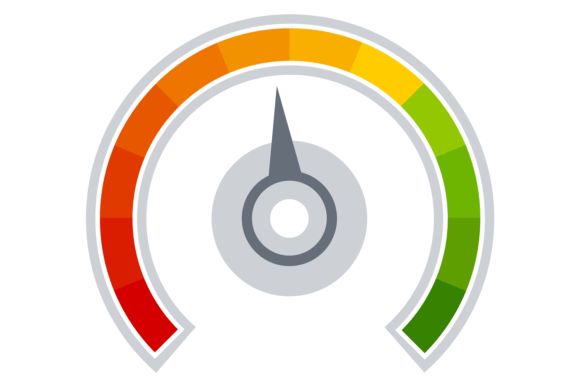
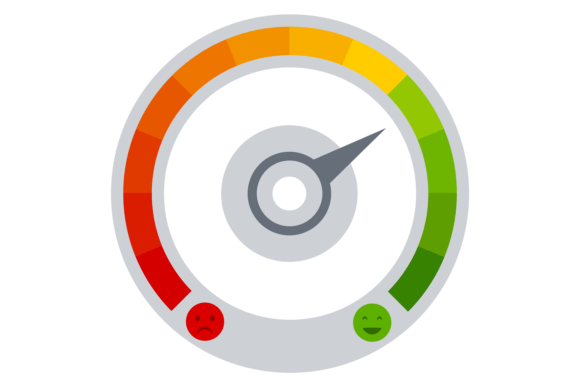
At its core, the Round Rating Gauge functions as a visual translator. When you isolate this element on a white background, you immediately notice its geometry. It is a display font for data. The circular nature of the gauge suggests continuity, wholeness, and cycles. Unlike a linear bar chart that implies a start and an end, the round gauge feels infinite, yet the "level" or "rating" portion cuts through that infinity to show a specific moment in time.
The Color Level Meter Ui aspect is critical here. Color psychology plays a massive role in how users interpret the rating. A gradient moving from cool blues to intense reds or greens to yellows creates an immediate emotional response. It tells the user, "You are doing great," or "You need improvement," without using a single word. This makes it an invaluable design asset for anyone involved in brand identity or web design. The visual weight of the gauge is balanced; it is heavy enough to stand out as a focal point but clean enough to sit comfortably within a complex dashboard.
When you download this asset—be it an EPS, JPG, SVG, or transparent PNG—you are getting a versatile piece of art. The transparency of the PNG format is particularly useful for layering the gauge over photography or textured backgrounds in packaging design or social media graphics. The SVG format ensures that the curves remain crisp and sharp on any retina display, which is a non-negotiable requirement for high-end web design and app interfaces today.
Strategic Applications in Branding and Marketing
How does a gauge fit into your business strategy? It is all about data visualization and trust. In editorial design, particularly for magazines or blogs covering finance, health, or technology, the Round Rating Gauge serves as a perfect visual break. It allows a publisher to summarize a product review or a performance metric in a way that is instantly scannable. Readers today skim content; they do not always read every word. Placing a Round Rating Gauge. Color Level Meter Ui element near a headline allows them to grasp the "score" of the article immediately.
For entrepreneurs and small business owners, this asset is a secret weapon for pitch decks and investor reports. Instead of burying your quarterly growth in a spreadsheet, visualize it using a color level meter. It feels more dynamic and professional. It suggests that your brand embraces technology and clarity. This aligns perfectly with logo design concepts that favor minimalism and geometric shapes. Many modern sans serif font pairings work beautifully alongside these gauges because both share a clean, geometric structure.
Consider the mobile app market. If you are a developer or a UI designer, you know that screen real estate is expensive. A round gauge is compact. It fits neatly into a corner of a mobile screen or a widget. It provides feedback on battery life, download progress, or user ratings without overwhelming the interface. This element acts as a functional creative font of sorts—it speaks the language of the interface fluently.
Integrating the Gauge into Your Design System
Adopting a new visual element requires more than just dropping it onto a canvas. You need to ensure it fits your existing font pairing and color palette. The beauty of the Round Rating Gauge is its neutrality. Because it is often isolated on a white background in stock assets, it is a blank slate. You can re-color the gauge to match your brand’s primary or secondary colors instantly.
When testing this element, look at the readability of the numbers inside the gauge. Even though the gauge is visual, the number is the anchor. If you are using a heavy serif font for your body copy, ensure the number inside the gauge doesn't clash. Often, a clean sans serif font works best for the numerical value inside the meter to maintain legibility at small sizes.
There is also the matter of licensing. As you explore these design assets, always verify the commercial font and asset licensing. If you are using this for a client’s logo design or a mass-produced packaging design, you need to ensure the license covers commercial use. Most reputable asset sites provide clear documentation on this. Do not assume that because you bought the file, you own the copyright; usually, you are buying the right to use it.
Practical Tips for Maximum Impact
- Context is Key: Do not use a rating gauge just because it looks cool. Use it where performance metrics, levels, or scores are actually relevant to the user's decision-making process.
- Animation: If you are using this in web design, consider animating the fill of the gauge when it enters the viewport. It adds a layer of polish that users associate with high-quality software.
- Contrast: If you place the gauge over a complex image, use the transparent PNG version but add a subtle drop shadow or a semi-transparent backing to ensure the "Color Level" remains visible.
Ultimately, the Round Rating Gauge. Color Level Meter Ui is a versatile tool for the modern creator. It speaks to the human desire for measurement and achievement. Whether you are a crafter selling digital goods, a blogger reviewing products, or a brand strategist building a dashboard, this element brings a level of professionalism and clarity that static text simply cannot match. It is a small detail that makes a big difference in how your audience perceives the quality of your work. By integrating this gauge thoughtfully, you elevate your design from merely looking good to truly functioning well.