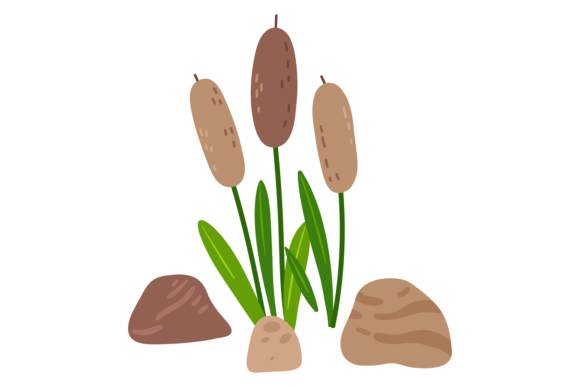
Swamp Reeds: The Green Wetland Plants Color Palette
More Than Just a Color
You know that feeling when you’re scrolling through a feed, and something just makes you stop? It’s not always the loudest image or the biggest text. Sometimes, it’s a specific color that creates an instant mood. That’s the power of Swamp Reeds: Green Wetland Plants Color. It’s not a single, flat shade you’d find on a basic color wheel. It’s a complex, living palette inspired by the dense, layered greens of a marsh at dawn. Think of the deep, almost black-green of waterlogged mud, the bright, yellow-green of new shoots breaking the surface, and the silvery, dusty green of leaves catching the light. This isn't just a color; it's an atmosphere, a texture, and a story waiting to be told in your next project.
As a designer or creator, your choice of color does heavy lifting. It’s the first layer of communication, setting the stage before a single word is read. The Swamp Reeds palette operates on this level. It feels organic, resilient, and deeply connected to the natural world. It carries a sense of quiet growth and hidden complexity. Using it in your brand identity or design assets doesn’t just add a hue; it injects a specific, grounded personality that can make your work feel more authentic and memorable.
Where This Palette Truly Comes Alive
So, where does this earthy, sophisticated green family work best? Its versatility is one of its greatest strengths, but it shines brightest where you want to convey a certain depth or connection.
- Branding & Identity: For businesses rooted in sustainability, wellness, organic products, or outdoor adventures, this palette is a perfect match. A logo using a deep swamp reed green paired with a creamy off-white communicates integrity and a connection to the earth without being cliché. It’s a premium, thoughtful choice that stands apart from brighter, more generic "eco" greens.
- Editorial & Publishing: Imagine a book cover for a mystery novel set in the bayou, or a magazine feature on modern homesteading. The Swamp Reeds color family provides a rich, atmospheric backdrop that draws readers in. It’s excellent for editorial design where you want to create a mood—be it tranquil, mysterious, or rustic.
- Digital & Web Design: In the digital space, this palette offers superb readability when used correctly. A deep green for headings or buttons against a light, warm gray background is easy on the eyes and feels stable and trustworthy. It’s a smart choice for apps and websites related to finance, health, or nature, where user trust is paramount.
- Packaging & Product Design: For packaging design, color is critical on a crowded shelf. The nuanced tones of swamp reeds can make a product look premium and artisanal. Think of coffee bags, skincare bottles, or specialty food items. It suggests quality ingredients and careful craftsmanship.
- Social Media & Marketing: Using this green in your social media graphics can create a cohesive and calming feed. It’s a fantastic background color for text overlays, making quotes or announcements pop without being aggressive. It helps build a recognizable visual consistency that strengthens your brand’s presence.
Essentially, if your project benefits from a touch of nature, sophistication, or organic authenticity, the Swamp Reeds palette is a powerful tool in your creative kit.
Practical Guidance for Using This Color
Knowing where to use a color is one thing; knowing how to use it effectively is another. Here’s how to approach the Swamp Reeds palette with a practical, results-oriented mindset.
- Understand Its Personality: This is not a playful, high-energy color. It’s mature, stable, and slightly moody. It works best for brands and projects that want to project calm confidence, not loud excitement. Ask yourself: does my project’s personality align with this?
- Test for Readability: The darkest shades in this family are excellent for text, but always test contrast ratios, especially for web accessibility. Pair a deep green with a light, warm neutral like a beige or light gray for body text. For headlines, you can be more adventurous with lighter greens, but ensure they have enough saturation to remain vibrant.
- Master the Font Pairing: The color you choose has a direct relationship with your typography. A strong, geometric sans-serif font in a swamp reed green feels modern and clean. A classic serif font in the same shade feels more traditional and established. If you’re using a script font or handwritten font for accents, ensure the green doesn’t make it look muddy—sometimes a slightly brighter accent from the palette works better for decorative type.
- Build a Cohesive Palette: Don’t use these greens in isolation. They sing when supported by the right companions. Creams, tans, and soft browns create a fully natural, earthy scheme. For a more contemporary edge, pair with muted terracotta or slate blue. Always include a neutral light and dark to give your palette balance and flexibility.
- Leverage the Asset: If you’re sourcing this color as part of a design asset pack—like a premium font bundle or a set of illustrations—examine all the included files. A quality asset will often provide the color codes (HEX, RGB, CMYK) directly, ensuring perfect consistency across your logo design, website, and print materials. This saves you time and guarantees brand cohesion.
The key is to treat this color not as a simple fill, but as a strategic element of your visual language. It’s a creative font companion, a brand cornerstone, and a mood-setter all in one. By understanding its nature and applying it thoughtfully, you can leverage the unique, grounded appeal of Swamp Reeds to create work that feels both professional and profoundly connected to the natural world.