Wooden Comb Icon: The Organic Design Asset You Need
The Anatomy of a Perfectly Crafted Vector Symbol
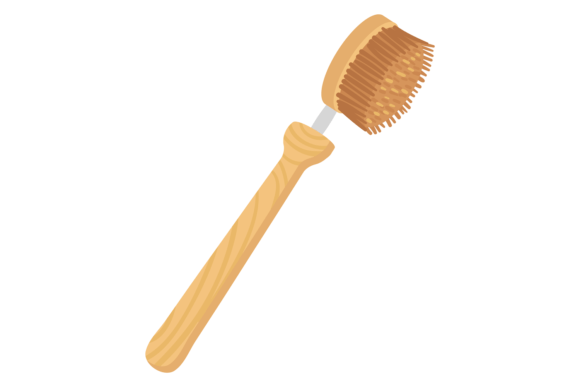
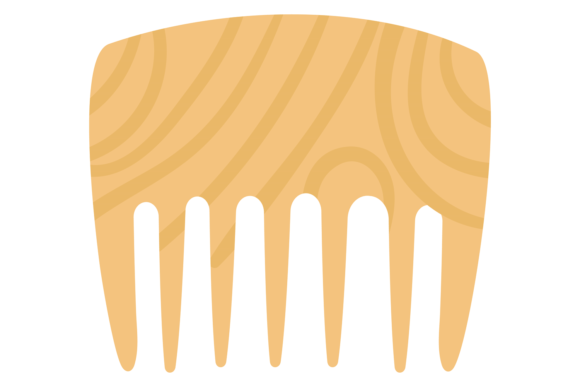
When you are building a visual identity, the smallest details often carry the most weight. You might spend hours refining a color palette or kerning a headline, but if your supporting graphics feel generic, the entire composition falls flat. This is where the Wooden Comb Icon enters the conversation. It is not just a simple drawing of a hairbrush; it is a specific design asset known as a Hair Brush Color Symbol. To be precise, it is a vector illustration—typically found in EPS, SVG, and transparent PNG formats—that depicts a grooming tool with a distinct, organic aesthetic.
The visual personality of this icon is rooted in its texture. Unlike a flat, minimalist line icon you might find in a default UI kit, the Wooden Comb Icon embraces materiality. It suggests wood grain, warmth, and craftsmanship. When you look at the asset, you see a deliberate effort to capture the natural imperfections and sturdy structure of a wooden tool. It feels tactile. In the world of modern typography and digital design, where everything is often polished to a sterile sheen, this symbol offers a breath of fresh air. It feels human. It feels grounded.
Because it is isolated on a white background, the versatility is immediate. The transparency of the PNG allows it to drop onto any surface—digital or print—without the hassle of masking. However, the true power lies in the vector formats (EPS or SVG). These allow you, the creator, to scale the symbol infinitely without losing quality. Whether you are printing a tiny label for a boutique shampoo bottle or blowing up a billboard for a salon, the edges remain crisp. This is the hallmark of a premium font and iconography system: scalability meets detailed artistry.
Strategic Applications: From Brand Identity to Packaging
Understanding what the asset looks like is easy; knowing where to use it is where strategy comes in. The Wooden Comb Icon is not a one-size-fits-all graphic. It has a specific "vibe" that speaks to certain industries and audiences more than others. As a designer or business owner, you need to evaluate if this visual language aligns with your brand identity.
It works exceptionally well in the wellness, beauty, and handmade sectors. If you are a small business owner selling organic beard oils or artisanal hair care products, this icon is your best friend. It communicates "natural" and "chemical-free" without you having to write a single word. It pairs beautifully with script fonts or handwritten fonts that evoke a sense of artisanal care. Imagine a product label where the logo is in a flowing script, and the Wooden Comb Icon sits beneath it as a stamp of quality. That is effective packaging design.
However, don't limit your thinking to physical products. In the digital realm, this symbol has significant utility. For bloggers and content creators in the lifestyle niche, it serves as an excellent section divider or a custom bullet point for lists discussing hair care routines. It adds a layer of professionalism that standard stock photos cannot match. Furthermore, for social media graphics, an icon like this can anchor a carousel post. It provides a visual focal point that stops the scroll, helping to increase audience engagement.
Consider the world of editorial design as well. If you are publishing a magazine or a lookbook focused on vintage styles or eco-friendly living, the Wooden Comb Icon fits right into the layout. It complements serif fonts that have a traditional, authoritative feel, yet it can also balance out a clean sans serif font to add a touch of warmth to an otherwise cold grid.
Refining Your Visual Hierarchy and Readability
A common mistake in web design and print layout is overcrowding. When every element screams for attention, the user hears nothing. The strategic use of a creative font paired with a cohesive icon set helps manage visual hierarchy. The Wooden Comb Icon acts as a visual anchor. It grounds the text.
When you incorporate this symbol into your design system, you are doing more than decorating; you are aiding readability. By using the icon as a marker, you break up long blocks of text. This gives the reader’s eye a place to rest. In logo design, combining a strong wordmark with this icon can create a "lockup" that is recognizable even at a glance. The consistency of seeing that specific wooden texture repeatedly builds brand recognition over time. It signals to your audience that you pay attention to detail, which subconsciously translates to trustworthiness and professionalism.
Practical Integration: Pairing and Licensing
If you are ready to implement this asset, you need to treat it like a commercial font. You wouldn't use a typeface without checking its license, and you shouldn't use a vector icon without doing the same. Ensure the file pack includes the necessary rights for your specific use case, whether that is for a client project or your own merchandise.
Next comes the art of font pairing. This is crucial. Because the Wooden Comb Icon has organic curves and natural lines, it contrasts well with geometric, rigid typefaces. Try pairing it with a bold, modern sans serif font. The sharpness of the text will highlight the softness of the icon. Conversely, if you are going for a fully vintage or rustic aesthetic, match it with a slab serif or a textured display font. The goal is to create a conversation between the text and the image.
Do not be afraid to test the asset in different contexts. Place it on dark backgrounds to see how the "wood" texture holds up against high contrast. Scale it down to the size of a footnote to ensure the details don't turn into mud. This testing phase is where good design becomes great design.
Ultimately, the Wooden Comb Icon is more than just a graphic; it is a piece of design assets library that bridges the gap between digital sterility and human warmth. Whether you are a crafter designing a logo for an Etsy shop or a marketer creating a deck for a beauty startup, this symbol offers a practical, stylish way to elevate your visual storytelling. It proves that sometimes, the best way to look forward in design is to look back at the materials that have always worked: wood, craft, and care.